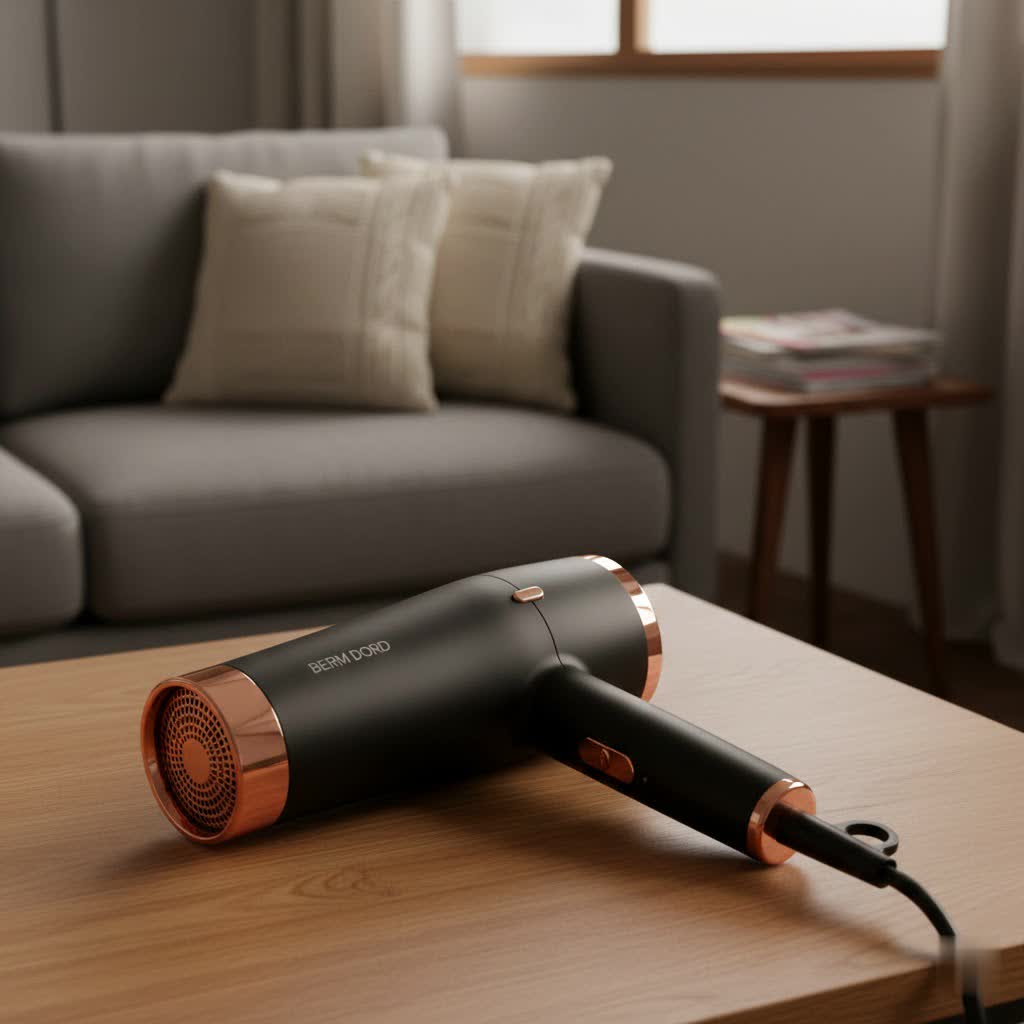
The hair dryer is a ubiquitous tool in our daily grooming routines, a reliable partner for quick styling and drying. Yet, beneath its powerful hum lies a persistent question: is this convenient device truly beneficial for your hair, or is it a silent perpetrator of damage? Many of us grapple with this dilemma, navigating a sea of information that often contradicts itself. Misconceptions about heat styling and improper usage can indeed compromise hair health, leading to dryness, frizz, and breakage. However, armed with the right knowledge about hair dryer technology, proper techniques, and informed choices, you can improve your hair dryer from a potential foe into a powerful ally for achieving healthy, vibrant, and beautifully styled hair.
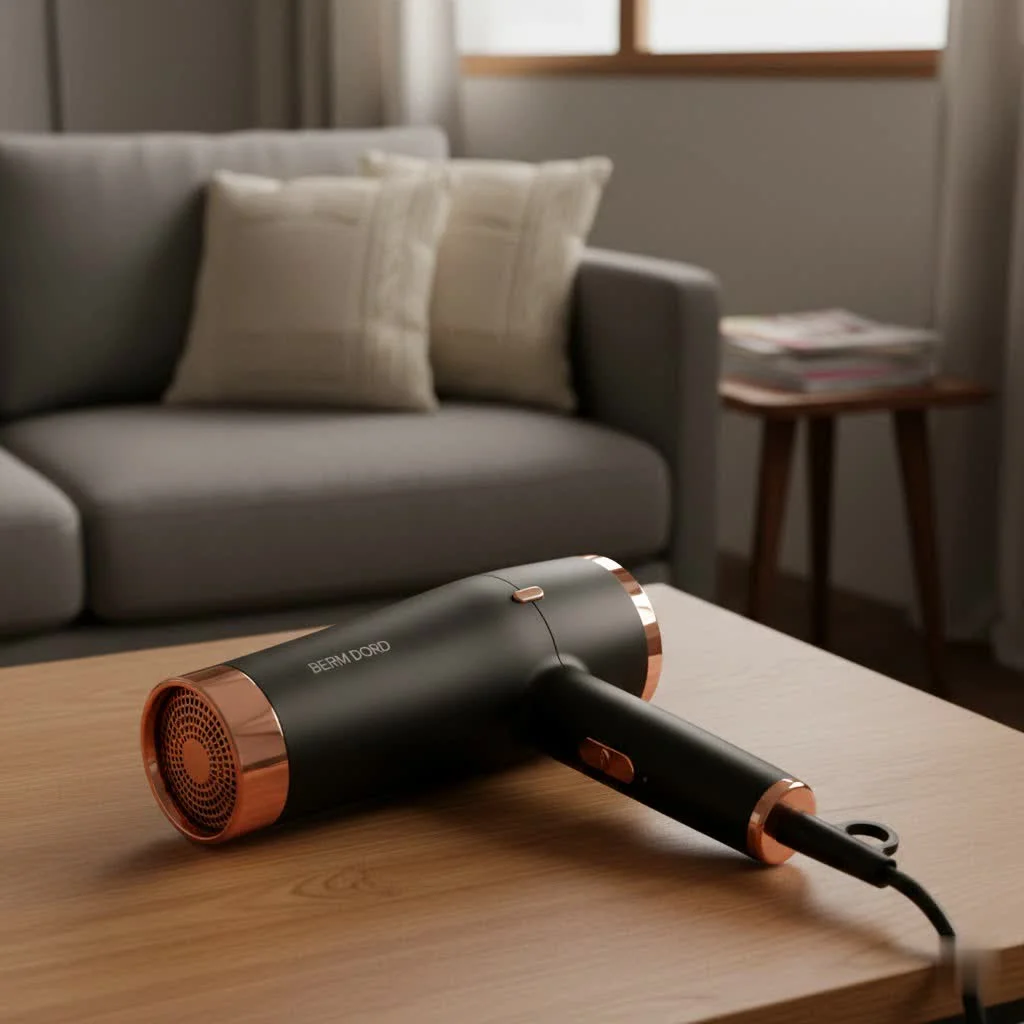
Hair Dryers: An Overview and Finding Your Best Match
What is a Hair Dryer and Why You Need One
At its core, a hair dryer is an electrical device designed to blow air over wet hair, accelerating the evaporation of water to dry it quickly. Typically composed of a heating element, a motor-driven fan, and various nozzles, it rapidly transforms damp locks into a manageable canvas. Beyond mere drying, a good hair dryer offers numerous benefits. It provides exceptional styling versatility, allowing you to add volume, create sleek finishes, or define curls. More surprisingly, when used correctly, it can even be less damaging than prolonged air drying, preventing the hair from absorbing too much water which can lead to structural weakening.
Popular Hair Dryer Technologies Explained
The world of hair dryers has evolved far beyond simple hot air. Modern dryers incorporate advanced technologies designed to protect hair and enhance styling results. Understanding these can significantly impact your hair’s health and appearance.
- Ionic Hair Dryers: These dryers emit negatively charged ions that break down water molecules on the hair surface. This process allows hair to dry faster at lower temperatures, effectively sealing the cuticle, reducing frizz, and locking in moisture for a smoother, shinier finish. While excellent for thick, frizzy, or curly hair types, excessive use on very fine hair might leave it looking too flat.
- Ceramic Hair Dryers: Featuring ceramic-coated heating elements or internal components, ceramic dryers distribute heat evenly and consistently. This gentle heat helps hair retain its natural moisture, minimizing the risk of damage. They are widely considered a versatile and safe choice for nearly all hair types, particularly beneficial for fine or fragile hair, and those with extensions.
- Tourmaline Hair Dryers: Often a blend of ionic and infrared technologies, tourmaline dryers incorporate crushed tourmaline gemstones into their internal parts. When heated, tourmaline naturally generates both negative ions and far-infrared heat. This combination means even faster drying, superior frizz reduction, enhanced shine, and excellent moisture retention, making them ideal for individuals with frizzy, dry, or textured hair, and particularly effective for thick strands.
- Travel Hair Dryers: Designed for portability, these compact and lightweight dryers often feature dual voltage for international use. While highly convenient for those on the go, they typically have less power and fewer advanced features compared to full-sized models. They are best suited for occasional use during travel rather than as a primary styling tool.
- Professional Hair Dryers: Characterized by robust motors, enhanced durability, and a wider array of heat and speed settings, professional dryers are built for continuous, high-performance use. They are perfect for achieving salon-quality results at home and can handle diverse hair types and styling demands, though they often come with a higher price tag and can be heavier.
Comparing Hair Dryer Technologies: A Quick Guide
|
Our Picks for the Best Hair Dryer in 2026
As an Amazon Associate I earn from qualifying purchases.
|
||
| Num | Product | Action |
|---|---|---|
| 1 | Wavytalk Hair Dryer, Blown Away Ionic Hair Dryer for Curly Hair with Diffuser, 1875W Fast Drying Blow Dryer with Ceramic Technology, 3 Attachments for All Hair Types, Light and Quiet, White |

|
| 2 | Wavytalk Hair Dryer with Diffuser, Blown Away Ionic Hair Dryer for Curly Hair with Comb, 1875W Fast Drying Blow Dryer with Ceramic Technology, 3 Attachments for All Hair Types, Light and Quiet, Black |
|
| 3 | Wavytalk Hair Dryer with Diffuser, Blown Away Ionic Blow Dryer for Curly Hair with Comb, 1875W Fast Drying Hair Dryer with Ceramic Technology, 3 Attachments for All Hair Types, Light and Quiet, Pink |
|
| 4 | Wavytalk Hair Dryer with Diffuser, Blown Away Ionic Hair Dryer for Curly Hair with Comb, 1875W Fast Drying Blow Dryer with Ceramic Technology, 3 Attachments for All Hair Types, Light and Quiet, Green |
|
| 5 | TYMO 4.0 Hair Blow Dryer Brush - Lightweight 3X Faster Drying 5-in-1 Ionic Blowout Hair Dryer Brush Adds Shine, Volume & Fullness for Smooth, Anti-Frizz Straight, Curl & Blowout Styles, Metal Grey |
|
| 6 | Wavytalk Blow Dryer, Blown Away Ionic Hair Dryer for Curly Hair with Diffuser, 1875W Fast Drying Blow Dryer with Ceramic Technology, 3 Attachments for All Hair Types, Light and Quiet, Grey |
|
| 7 | REVLON Turbo Hair Dryer - 1875 Watts of Maximum Shine, Fast Dry (Silver) |
|
| 8 | slopehill Professional Ionic Hair Dryer, Powerful 1800W Fast Drying Low Noise Blow Dryer with 2 Concentrator Nozzle 1 Diffuser Attachments for Home Salon Travel (Black) |
|
| 9 | 6 in 1 Hair Dryer Brush, Foldable Blow Dryer Brush with Air Styler Curler Wrap, Detachable Hot Air Brush Dry,Volumize, Straight,Curl, Negative Ion Brush Blow Dryer with Diffuser, Hair Styler Tools |
|
| 10 | Wavytalk Hair Dryer, Blown Away Ionic Hair Dryer for Curly Hair with Diffuser, 1875W Fast Drying Blow Dryer with Ceramic Technology, 3 Attachments for All Hair Types, Light and Quiet, Rose Gold |
|
Choosing the right hair dryer can feel overwhelming with the array of technologies available. This table provides a quick comparison to help you understand the core differences and find the best fit for your hair.
| Technology | Price Range | Heat Distribution | Key Benefits | Ideal Hair Type | Special Features |
|---|---|---|---|---|---|
| Ionic | Mid to High | Targeted Airflow | Reduces frizz, faster drying, adds shine | Thick, Frizzy, Curly | Negative ion emission |
| Ceramic | Low to Mid | Even & Gentle | Prevents damage, retains moisture, versatile | All types, especially Fine, Fragile | Consistent, radiant heat |
| Tourmaline | Mid to High | Even & Deep | Max frizz control, boosts shine, deep drying | Frizzy, Dry, Textured, Thick | Emits negative ions & far-infrared heat |
| Travel | Low to Mid | Basic | Portability, convenience | Occasional use, Travelers | Compact, lightweight, dual voltage (often) |
| Professional | Mid to High | Powerful & Precise | Salon-quality results, durability, versatility | All types, demanding styling | Strong motor, multiple settings, attachments |
Top-Rated Hair Dryers for Healthy Hair
Investing in a high-quality hair dryer is paramount for maintaining hair health while achieving desired styles. When seeking a top-rated dryer, look for features that prioritize gentle yet efficient drying. Advanced heat control, often found in dryers with intelligent sensors, helps prevent excessive heat exposure by automatically adjusting temperature. Powerful, long-lasting motors (like brushless DC motors) ensure faster drying times, minimizing overall heat exposure. Multiple heat and speed settings offer crucial customization, allowing you to select the optimal environment for your hair type and style. A cool shot button is also a must, as it helps to seal the hair cuticle for a smoother, longer-lasting finish. Finally, consider the included attachments, such as concentrator nozzles for precise styling and diffusers to enhance natural curls without frizz. Reputable brands in the hair care industry consistently integrate these elements into their designs, focusing on innovation that supports hair integrity alongside styling performance.
Your Guide to Choosing the Right Hair Dryer
Selecting the perfect hair dryer is a personalized decision that depends heavily on your unique hair characteristics and styling goals. Consider these key factors to make an informed choice.
- Hair Type & Texture: Fine or fragile hair benefits from lower heat and gentle technologies like ceramic, which prevent over-drying. Thick or coarse hair often requires higher wattage and powerful airflow for faster drying, with ionic or tourmaline technology to combat frizz and smooth the cuticle. Curly or wavy hair thrives with diffusers and ionic technology to enhance curl definition and reduce frizz. If your hair is dry, damaged, or color-treated, prioritize dryers with adjustable low heat settings, ceramic, or infrared technology, and always use a heat protectant.
- Desired Result: Are you aiming for sleek, straight hair, voluminous bounce, or perfectly defined curls? Your styling aspirations will dictate the necessary attachments and power.
- Power/Wattage: Generally, higher wattage (1875W and above) means faster drying times, which can be beneficial for thick or long hair as it reduces total heat exposure.
- Heat & Speed Settings: Multiple options are non-negotiable. The ability to adjust both heat and airflow provides crucial control, allowing you to tailor the drying process to different sections of your hair and prevent damage. Always opt for the lowest effective heat setting.
- Technology: As discussed, ionic, ceramic, and tourmaline technologies offer specific benefits for various hair concerns. Infrared technology, which dries hair from the inside out, is also a gentle option for preserving moisture.
- Weight & Ergonomics: A lightweight and well-balanced dryer reduces arm fatigue, especially for those with long or thick hair, or if you style frequently.
- Noise Level: While not directly related to hair health, a quieter dryer can significantly improve the user experience.
- Attachments: A concentrator nozzle focuses airflow for precise styling and smoothing, ideal for straight looks. A diffuser spreads air gently over a larger area, perfect for drying curly or wavy hair without disturbing the natural pattern or causing frizz.
- Budget: Hair dryers range widely in price. Determine your budget but that investing in a quality dryer can be an investment in your hair’s long-term health.
Mastering Healthy Hair Dryer Techniques and Care
Using a hair dryer properly is just as important as choosing the right one. Employing healthy techniques can significantly minimize potential damage and maximize styling benefits.
- Pre-Drying Preparation: After washing, gently squeeze excess water from your hair with a microfiber towel. Avoid vigorous rubbing, which can cause frizz and breakage. Always apply a high-quality heat protectant spray or serum evenly through your damp hair to create a barrier against heat damage. Allow your hair to air dry until it’s about 60-80% dry before introducing heat; this reduces the overall drying time with the dryer.
- Optimal Drying Technique:
- Temperature Control: Always use the lowest effective heat setting. High heat is the primary culprit behind damage.
- Maintain Distance: Hold the hair dryer approximately 6 inches (15 cm) away from your hair. Never let the nozzle touch your hair directly.
- Continuous Motion: Keep the dryer moving constantly, never focusing on one spot for too long. This prevents localized heat buildup.
- Sectioning: Divide your hair into manageable sections. This allows for more thorough and even drying, preventing over-drying of some areas while others remain damp.
- Airflow Direction: For smooth, sleek styles, point the concentrator nozzle downwards, following the direction of hair growth. This helps to smooth the hair cuticle and reduce frizz. For curly hair, use a diffuser attachment on a low heat and speed setting, gently “cupping” sections of hair to encourage curl formation without disruption.
- Avoid Over-Drying: Stop drying once your hair feels dry to the touch. Continuing to blast already dry hair with heat can lead to excessive dryness and damage.
- Finish with a Cool Shot: Once your hair is dry and styled, use the cool shot button. This blast of cold air helps to rapidly cool the hair, setting the style and closing the hair cuticles, which enhances shine and reduces frizz.
- Storage & Maintenance: Regularly clean the air filter at the back of your hair dryer to prevent lint and dust buildup, which can obstruct airflow, cause overheating, and reduce the dryer’s efficiency and lifespan. Store your dryer safely to prevent damage to the cord or housing.
Understanding the Impact: Hair Dryer Pros and Cons
The debate surrounding hair dryers often centers on their potential for damage. However, a balanced perspective reveals both distinct advantages and disadvantages, largely dependent on how the tool is wielded.
Benefits of Proper Hair Dryer Use:
When used correctly, a hair dryer offers significant benefits. It provides quick and efficient drying, which is especially valuable for those with busy schedules or thick hair. Hair dryers can add volume, texture, and shape, making them indispensable for styling. Controlled blow-drying can actually be less damaging than prolonged air drying. When hair stays wet for extended periods, it can lead to “hygral fatigue,” where the hair shaft absorbs too much water, swelling and weakening the cell membrane complex, making it more prone to damage and breakage. By quickly and gently drying hair, you can minimize this water-induced damage.
Risks of Improper Hair Dryer Use:
The primary risk associated with hair dryers is heat damage. Excessive heat can strip moisture from the hair, causing the cuticles to lift and crack, leading to frizz, dryness, brittleness, and split ends. Over time, this can weaken the hair shaft, making it more susceptible to breakage and giving the appearance of thinning. Improper technique, such as holding the dryer too close to the hair, using excessively high temperatures, or not moving the dryer continuously, exacerbates these issues. While a hair dryer alone is unlikely to cause significant hair loss from the root, the breakage and weakening of strands due to heat damage can certainly contribute to hair looking less dense.
Leading Hair Dryer Brands Focused on Hair Health
In the pursuit of healthy, beautifully styled hair, the brand of your hair dryer can make a significant difference. Leading manufacturers dedicated to hair health often invest heavily in research and development to create innovative technologies that minimize heat damage while maximizing styling potential. These reputable brands typically feature dryers with intelligent heat control systems that prevent overheating, ensuring consistent and gentle warmth. They often integrate ionic, ceramic, or tourmaline technologies into their designs, known for their ability to dry hair faster, reduce frizz, and lock in moisture. Look for brands that offer a wide range of heat and speed settings, allowing for precise customization based on your hair type and desired style. Ergonomic design for comfortable handling and the inclusion of versatile attachments like diffusers and concentrator nozzles are hallmarks of brands committed to holistic hair care. Such brands aim to provide professional-grade performance that supports the long-term health and vitality of your hair.
Conclusion
The journey to understanding your hair dryer reveals a nuanced truth: it is neither inherently good nor bad for your hair. Rather, its impact is defined by the technology it employs and, most critically, how you choose to use it. With the right knowledge about advanced features like ionic and ceramic technologies, coupled with diligent application of healthy drying practices, your hair dryer can be a powerful tool to achieve vibrant, healthy, and beautifully styled hair. By embracing heat protectants, moderate temperatures, and appropriate techniques, you can confidently improve your hair routine and unlock your hair’s full potential. What’s your secret to a perfect, healthy blow-dry?
Frequently Asked Questions
Is air drying better than blow drying for hair health?
Not necessarily. While air drying avoids heat, prolonged wetness can cause hair to swell and weaken, leading to “hygral fatigue” and damage to the hair’s internal structure. Blow drying with correct technique and moderate heat can actually be less damaging by minimizing the time hair spends wet.
How far should I hold my hair dryer from my hair?
You should aim to hold your hair dryer about 6 inches (15 cm) away from your hair. This distance helps prevent excessive heat concentration on any single spot, distributing the warmth more evenly and significantly reducing the risk of heat damage.
Can a hair dryer cause hair loss?
A hair dryer itself is unlikely to directly cause hair loss from the scalp. However, excessive heat and improper usage can lead to significant hair damage, such as breakage, split ends, and weakened strands. This damage can make hair appear thinner and contribute to overall hair fall, but it’s typically breakage, not root-level loss.
What is the best heat setting for my hair type?
The best heat setting is generally the lowest one that effectively dries your hair. Fine or damaged hair benefits from cooler settings, while thick or coarse hair might require a medium setting for efficiency. Always avoid the highest heat setting unless absolutely necessary, and always use a heat protectant.
What does a diffuser do?
A diffuser is a hair dryer attachment designed to disperse the airflow gently and evenly over a larger area. It’s particularly beneficial for curly or wavy hair, as it helps to dry the hair without disturbing the curl pattern, reducing frizz, and enhancing natural volume and definition.
Get our weekly buyer guide
Practical specs, not advice. Unsubscribe anytime.

I used to think all hair dryers were the same, but after reading about the different technologies, I finally invested in one with ionic technology. My hair has never been less frizzy! It really does make a difference in preventing that dry, brittle feeling I used to get. Definitely worth the upgrade for healthier hair.
This was a really helpful guide. I’ve always just grabbed whatever was on sale, but the part about proper techniques really resonated. I’ve been trying to use a lower heat setting and keep the dryer moving, and I’m already seeing less breakage. My hair feels much softer now, not as stripped.
I appreciate the info on how hair dryers can be a foe if not used correctly. I tried the cool shot button more often, but honestly, my old dryer just doesn’t have enough power to dry my thick hair quickly on a lower heat. It takes forever, and I end up just cranking it up anyway. Might need to look into a more powerful model.
I’ve been struggling with dryness and frizz for ages, thinking it was just my hair type. Learning about how improper usage can compromise hair health was a lightbulb moment. I’ve adjusted my routine based on the tips here, and my hair is genuinely looking more vibrant and less damaged. So glad I found this!