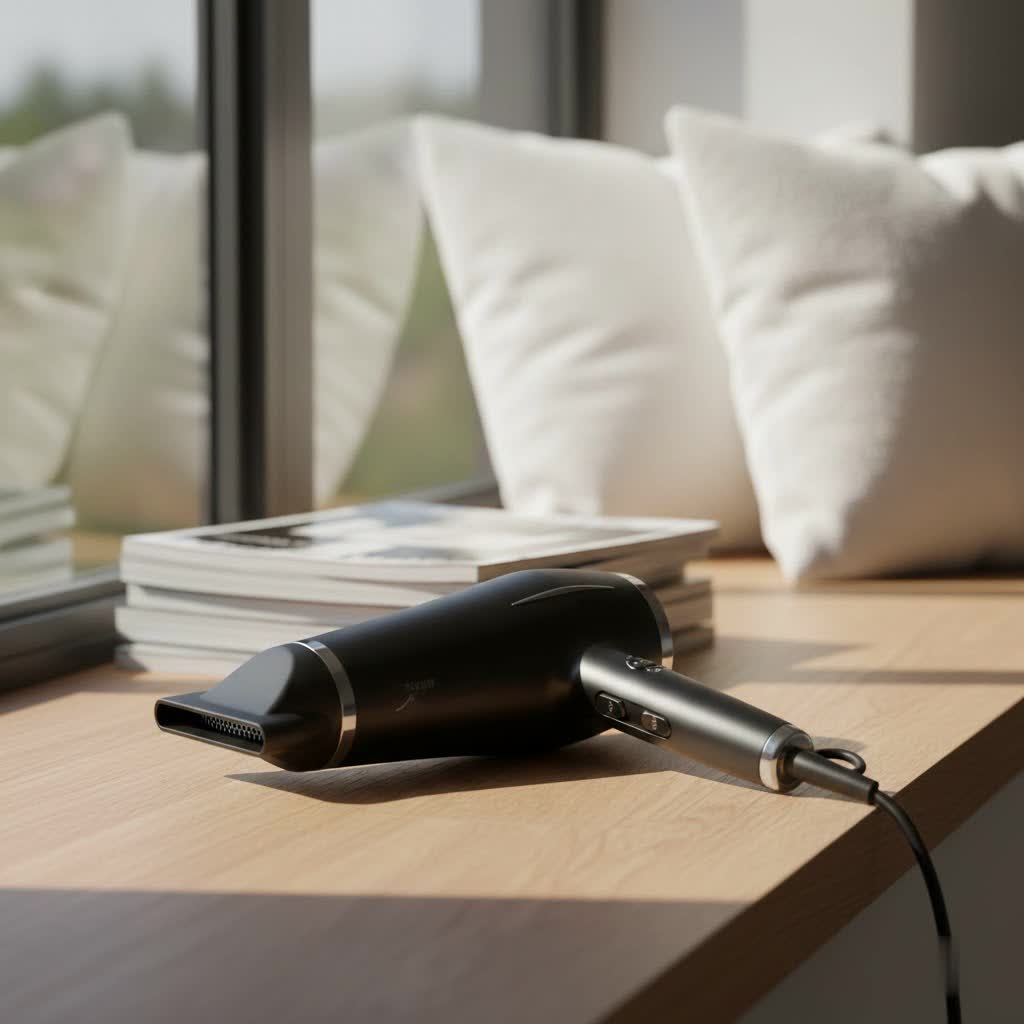
Achieving salon-quality hairstyles at home is possible with the right heat styling tools, primarily hair dryers and hair straighteners. Hair dryers excel at adding volume and quick drying with less direct heat, making them a gentler choice for daily use, while hair straighteners deliver unparalleled sleekness and long-lasting straight styles, especially for challenging textures. Understanding their unique capabilities, ideal uses, and impacts on hair health is crucial for selecting and using them effectively to transform your styling routine.
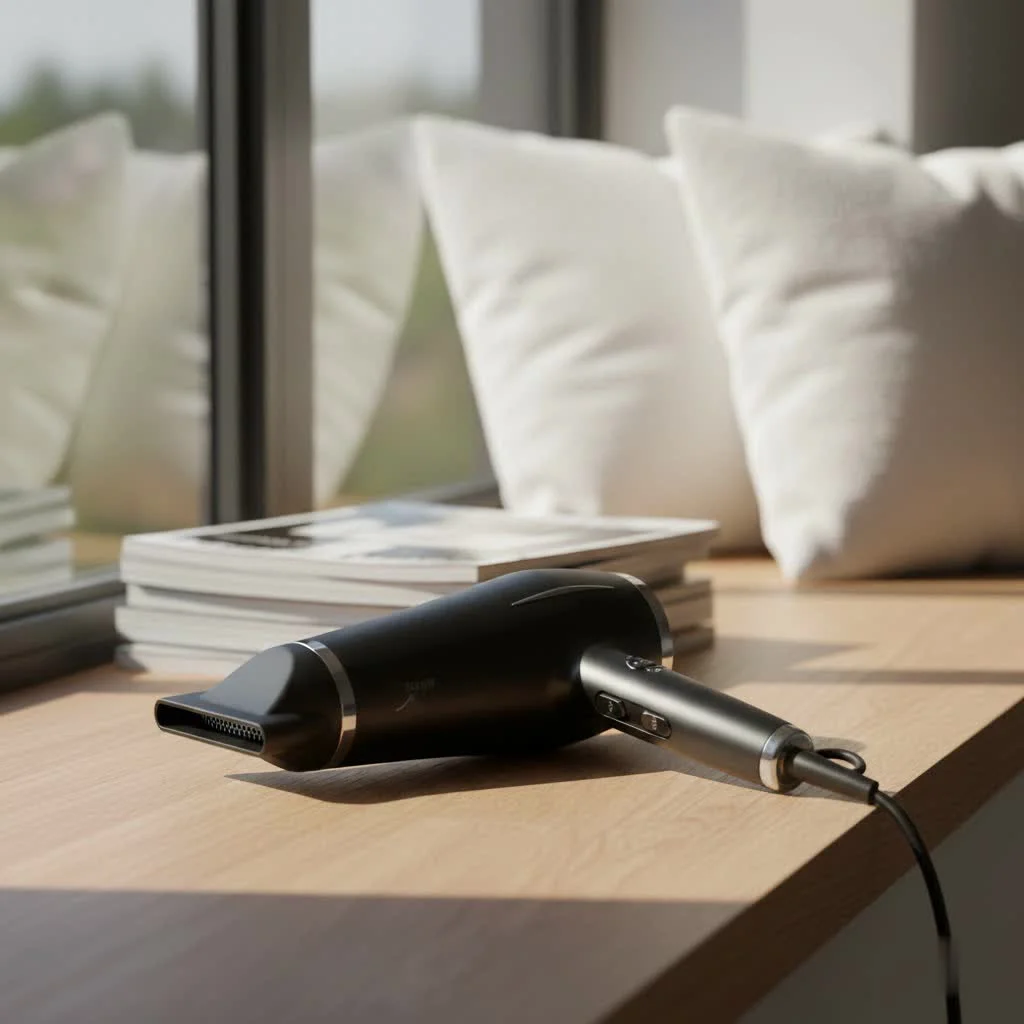
Hair Dryers and Straighteners: The Ultimate Styling Duo
What Are Hair Dryers and Why Do You Need One?
A hair dryer, also known as a blow dryer, is an electromechanical device that blows cool or hot air over damp hair to accelerate water evaporation, thereby drying the hair. Beyond drying, these tools are essential for styling, adding volume, and preparing hair for further treatment. Key components typically include a motor, a heating element, a fan, and often attachments like a concentrator nozzle or a diffuser.
The benefits of using a hair dryer far exceed simply letting your hair air dry. Air drying can leave hair susceptible to frizz and can even cause more damage by prolonged exposure to water, which swells the hair cuticle. Hair dryers, when used correctly, can significantly reduce drying time, create volume and bounce, smooth the hair cuticle for a shinier finish, and allow for a wide range of styles from sleek to voluminous. They are particularly gentle compared to direct heat tools because the heat is constantly moving, reducing the risk of localized damage.
Types of Hair Dryers
Modern hair dryers come equipped with various technologies designed to cater to different hair types and styling needs:
- Ionic Hair Dryers: These dryers emit negative ions that break down water molecules quickly, leading to faster drying times and reduced frizz. They are excellent for achieving a smoother, shinier finish and are especially beneficial for frizzy or coarse hair.
- Ceramic Hair Dryers: Featuring ceramic coatings on their heating elements, these dryers distribute heat evenly and gently. This even heat helps prevent hot spots and is ideal for fine, thin, or damaged hair, providing consistent drying without excessive heat exposure.
- Tourmaline Hair Dryers: Often combined with ceramic or ionic technology, tourmaline-infused dryers produce a higher concentration of negative ions and far-infrared heat. This combination results in even faster drying, enhanced shine, and superior frizz reduction.
- Professional Hair Dryers: Typically more powerful with higher wattage, these models offer superior performance, durability, and a wider range of heat and speed settings, making them suitable for frequent, heavy use and diverse styling.
- Travel Hair Dryers: Compact and lightweight, travel dryers are designed for portability, often featuring dual voltage settings for international use without sacrificing basic drying capabilities.
Decoding Hair Straighteners: Types and Technologies
|
Our Picks for the Best Hair Dryer in 2026
As an Amazon Associate I earn from qualifying purchases.
|
||
| Num | Product | Action |
|---|---|---|
| 1 | REVLON Turbo Hair Dryer - 1875 Watts of Maximum Shine, Fast Dry (Silver) |

|
| 2 | TYMO 4.0 Hair Blow Dryer Brush - Lightweight 3X Faster Drying 5-in-1 Ionic Blowout Hair Dryer Brush Adds Shine, Volume & Fullness for Smooth, Anti-Frizz Straight, Curl & Blowout Styles, Metal Grey |
|
| 3 | Wavytalk Blow Dryer, Blown Away Ionic Hair Dryer for Curly Hair with Diffuser, 1875W Fast Drying Blow Dryer with Ceramic Technology, 3 Attachments for All Hair Types, Light and Quiet, Grey |
|
| 4 | 6 in 1 Hair Dryer Brush, Foldable Blow Dryer Brush with Air Styler Curler Wrap, Detachable Hot Air Brush Dry,Volumize, Straight,Curl, Negative Ion Brush Blow Dryer with Diffuser, Hair Styler Tools |
|
| 5 | Wavytalk Hair Dryer with Diffuser, Blown Away Ionic Hair Dryer for Curly Hair with Comb, 1875W Fast Drying Blow Dryer with Ceramic Technology, 3 Attachments for All Hair Types, Light and Quiet, Green |
|
| 6 | Wavytalk Hair Dryer, Blown Away Ionic Hair Dryer for Curly Hair with Diffuser, 1875W Fast Drying Blow Dryer with Ceramic Technology, 3 Attachments for All Hair Types, Light and Quiet, White |
|
| 7 | Wavytalk Hair Dryer with Diffuser, Blown Away Ionic Hair Dryer for Curly Hair with Comb, 1875W Fast Drying Blow Dryer with Ceramic Technology, 3 Attachments for All Hair Types, Light and Quiet, Black |
|
| 8 | Wavytalk Hair Dryer with Diffuser, Blown Away Ionic Blow Dryer for Curly Hair with Comb, 1875W Fast Drying Hair Dryer with Ceramic Technology, 3 Attachments for All Hair Types, Light and Quiet, Pink |
|
| 9 | Wavytalk Hair Dryer, Blown Away Ionic Hair Dryer for Curly Hair with Diffuser, 1875W Fast Drying Blow Dryer with Ceramic Technology, 3 Attachments for All Hair Types, Light and Quiet, Rose Gold |
|
| 10 | slopehill Professional Ionic Hair Dryer, Powerful 1800W Fast Drying Low Noise Blow Dryer with 2 Concentrator Nozzle 1 Diffuser Attachments for Home Salon Travel (Black) |
|
A hair straightener, commonly known as a flat iron, is a heat styling tool that uses two heated plates to apply direct, concentrated heat to hair strands, physically reshaping them to achieve a smooth, sleek, and straight finish. These tools are indispensable for those seeking a polished, long-lasting straightened look or even for creating defined curls and waves.
The primary benefit of a hair straightener is its ability to deliver intense, direct heat that effectively smooths and aligns the hair cuticle, resulting in incredibly sleek and frizz-free strands. They are particularly effective for transforming naturally curly or wavy hair into a perfectly straight style that holds its shape for extended periods.
Plate Materials and Sizes
The effectiveness and impact of a hair straightener heavily depend on its plate material and size:
- Ceramic Plates: Ceramic is the most common and versatile plate material. It heats up quickly and distributes heat very evenly, minimizing heat damage and preventing hot spots. Ideal for most hair types, especially fine, thin, or color-treated hair, ceramic provides smooth, consistent results.
- Titanium Plates: Known for their exceptional heat conduction, titanium plates heat up rapidly and can reach higher, more consistent temperatures. This material is highly durable and best suited for thick, coarse, or extremely curly hair that requires higher heat to achieve straightness efficiently.
- Tourmaline Plates: Tourmaline is a gemstone that, when crushed and coated onto ceramic or titanium plates, enhances the production of negative ions. These negative ions help seal the hair’s cuticle, reduce frizz, and boost shine, often allowing for effective straightening at lower temperatures.
Plate size also matters:
- Narrow Plates (1 inch or less): Perfect for precision styling, short hair, bangs, and creating curls or waves.
- Wide Plates (1.5 inches or more): Ideal for efficiently straightening long, thick, or very coarse hair, as they can cover larger sections in fewer passes.
Hair Dryer vs. Hair Straightener: A Head-to-Head Comparison
Choosing between a hair dryer and a hair straightener depends largely on your desired style, hair type, and willingness to manage potential heat exposure. While both use heat to style, their methods and outcomes differ significantly.
| Feature | Hair Dryer | Hair Straightener |
|---|---|---|
| Primary Function | Dries hair, adds volume, general styling | Straightens hair, creates sleek looks, defines curls |
| Style Achieved | Voluminous, bouncy, smooth (with brush) | Pin-straight, sleek, defined curls/waves |
| Speed | Faster for drying, moderate for styling | Slower for overall process (requires dry hair), fast for straightening sections |
| Damage Potential | Generally lower (moving heat, variable settings) | Higher (direct, concentrated heat, can be held in place) |
| Volume | Excellent for adding volume | Tends to flatten hair |
| Versatility | High (blowouts, waves, basic drying) | Moderate (straightening, specific curls) |
| Ideal Hair Type | All, especially good for fine hair needing volume | All, very effective for thick, curly, frizzy hair |
| Hair Condition | Used on damp hair | Used on dry hair only |
“Most hair enthusiasts keep both on hand for complete flexibility!” – Alan Truman, Hair Care Expert.
For quick drying and adding natural volume, especially for daily styling without excessive damage, a hair dryer is your go-to. If your goal is lasting, perfectly sleek straight hair or defined curls, a hair straightener is unmatched. While some “all-in-one” tools exist, separate, high-quality hair dryers and straighteners typically offer superior performance and control.
Choosing the Right Tools for Your Hair Type and Needs
Selecting the perfect hair dryer and straightener involves understanding your hair’s unique characteristics and your styling goals.
For Hair Dryers:
- Wattage: Higher wattage (1875W+) usually means a more powerful motor and faster drying, which is crucial for thick hair.
- Heat & Speed Settings: Look for multiple options to customize airflow and temperature. Lower settings for fine/damaged hair, higher for thick/coarse.
- Technology: Ionic or tourmaline technology is highly recommended for frizz reduction and shine.
- Weight & Ergonomics: A lightweight, well-balanced dryer reduces arm fatigue during longer styling sessions.
- Attachments: A concentrator nozzle is essential for precise airflow and smoothing, while a diffuser is great for enhancing natural curls.
For Hair Straighteners:
- Plate Material:
- Ceramic: Best for fine, thin, or damaged hair due to even, gentle heat.
- Titanium: Ideal for thick, coarse, or very curly hair, as it provides intense, quick heat.
- Tourmaline: Good for all hair types, especially if frizz and shine are concerns, often found as a coating.
- Adjustable Temperature Control: This is critical. Fine or damaged hair requires lower temperatures (250-300°F), while thick or coarse hair may need higher settings (350-400°F). Digital controls offer greater precision.
- Plate Size: Choose narrow plates for short hair or detailed styling and wide plates for long or thick hair.
- Innovative Features: Look for auto shut-off for safety, a rotating/swivel cord for ease of use, and quick heat-up times for convenience.
Mastering Styling Techniques for Flawless Results
Proper technique is paramount to achieving desired styles and minimizing heat damage with both hair dryers and straighteners.
Using a Hair Dryer Correctly
- Start with Clean, Damp Hair: After washing, gently towel-dry your hair until it’s damp, not dripping wet. This reduces drying time and potential damage.
- Apply Heat Protectant: Always spray a generous amount of heat protectant evenly through your damp hair to shield it from thermal stress.
- Section Your Hair: Divide your hair into manageable sections (4-6 sections) using clips. This ensures even drying and styling.
- Rough Dry (Optional but Recommended): For wavy or curly hair, rough dry until it’s about 50% dry; for straight hair, aim for 80-90% dry. Use your fingers and keep the dryer moving.
- Use a Round Brush and Concentrator Nozzle: Take a small section of hair and place your round brush at the roots. Follow immediately behind the brush with your dryer, keeping the concentrator nozzle angled downwards. Pull the brush through the hair with gentle tension as you move the dryer along. This technique smooths the cuticle and adds shine.
- Keep Moving: Never hold the dryer in one spot for too long.
- Finish with a Cool Shot: Once a section is dry, use the cool shot button to set the style and add shine.
Using a Hair Straightener Safely
- Start with Clean, Completely Dry Hair: Hair must be bone dry before using a straightener to prevent severe damage.
- Apply Heat Protectant: Just like with a hair dryer, a heat protectant is non-negotiable. Ensure it’s evenly distributed and has dried before applying heat.
- Section Your Hair: Divide hair into smaller, manageable sections (1-2 inches wide). Smaller sections yield smoother, more consistent results.
- Adjust Temperature: Select the appropriate heat setting for your hair type (lower for fine/damaged, higher for thick/curly). “It is not necessary to use extreme temperatures.” – Dr. Panno, Hair Specialist.
- Glide Smoothly: Clamp the straightener near the roots and glide it down the length of the hair in a single, fluid motion. Do not hold the plates in one spot. One or two passes per section should be sufficient.
- Finish with a Smoothing Serum: A small amount of serum can add extra shine and tame any flyaways.
Protecting Your Tresses: Minimizing Heat Damage
While hair dryers and straighteners are powerful styling tools, excessive or improper heat application can lead to dryness, breakage, and split ends. Protecting your hair is paramount.
- Always Use a Heat Protectant: This creates a barrier between your hair and the heat, reducing damage.
- Choose the Right Temperature: “Adjust the temperature: It is not necessary to use extreme temperatures. Choose the medium temperature to avoid unnecessary damage.” – Dr. Panno. Lower temperatures are always safer and often just as effective for many hair types.
- Limit Frequency: Give your hair a break. Avoid using high heat tools every day. Let your hair air dry or embrace its natural texture sometimes.
- Don’t Straighten Wet Hair: This causes sizzling and severe damage.
- Keep Tools Clean: Product buildup on your straightener plates or dryer filter can affect performance and hair health.
- Invest in Quality: Better quality tools often have advanced features like even heat distribution and temperature sensors that minimize damage.
Top Hair Dryer and Straightener Brands
Investing in reputable brands often ensures better quality, performance, and durability. Some of the most highly regarded brands in the hair care industry include:
- Dyson: Known for innovative, high-speed hair dryers and multi-stylers that prioritize hair health with intelligent heat control.
- ghd: A leading name in hair straighteners, celebrated for consistent heat technology that styles effectively at optimal temperatures.
- Panasonic: Offers a range of reliable hair dryers and straighteners with advanced technologies like Nanoe™ for hydration.
- Philips: Provides user-friendly hair styling tools with features designed for healthy hair.
- BaBylissPRO: Favored by professionals for its powerful and durable styling tools.
Conclusion
Both hair dryers and straighteners are invaluable tools in your beauty arsenal, each offering unique benefits for achieving diverse hairstyles. Hair dryers excel at providing volume, quick drying, and versatile styling with less direct heat, making them a gentler choice for daily use. Hair straighteners, on the other hand, deliver unparalleled sleekness and long-lasting straight styles, particularly effective for taming challenging textures. The key to unlocking your hair’s full potential lies not just in owning these tools, but in understanding how to choose the right ones for your specific hair type and mastering safe, effective styling techniques. By prioritizing heat protection, controlling temperatures, and maintaining your tools, you can enjoy healthy, beautiful hair, whether you’re going for a bouncy blowout or a perfectly straight look.
What hair styling goals will you achieve next with your perfectly chosen tools?
Frequently Asked Questions
Which is less damaging, a hair dryer or a hair straightener?
Generally, a hair dryer is considered less damaging than a hair straightener because the heat is constantly moving and is less concentrated. Hair straighteners apply direct, intense heat, which can strip hair of moisture and lead to damage if not used cautiously with proper heat protection and appropriate temperature settings.
Can I straighten my hair with just a blow dryer?
Yes, you can achieve a smooth, straight look with just a blow dryer and a round brush. This method, often called a “blowout,” involves sectioning damp hair, applying heat protectant, and using a brush to pull hair taut while directing the dryer’s airflow downwards. It offers a softer, more voluminous straight style compared to a flat iron.
What is the ideal temperature for straightening hair?
The ideal temperature for straightening hair varies by hair type. For fine, thin, or damaged hair, temperatures between 250-300°F (120-150°C) are recommended. Thick, coarse, or very curly hair may require higher temperatures, typically between 350-400°F (175-200°C), but it’s crucial never to exceed 410°F (210°C) and always use a heat protectant.
Mastering Styling Techniques for Flawless Results
Learn how to correctly use a hair dryer and a hair straightener to achieve desired styles while minimizing heat damage.
Start with clean, damp hair, gently towel-drying until it's not dripping wet. Always apply a generous amount of heat protectant evenly through your damp hair to shield it from thermal stress before drying.
Divide your hair into 4-6 manageable sections using clips for even drying. For wavy or curly hair, rough dry until it's about 50% dry; for straight hair, aim for 80-90% dry, using your fingers and keeping the dryer moving.
Use a round brush and concentrator nozzle. Take a small section, place the brush at the roots, and follow immediately behind with the dryer, angled downwards. Pull the brush through with gentle tension, moving the dryer along to smooth the cuticle and add shine.
Ensure hair is completely bone dry before using a straightener to prevent severe damage. Apply a heat protectant evenly and ensure it has dried before applying heat. Divide hair into smaller, manageable sections (1-2 inches wide) for smoother, more consistent results.
Select the appropriate heat setting for your hair type (lower for fine/damaged, higher for thick/curly). Clamp the straightener near the roots and glide it down the hair in a single, fluid motion, avoiding holding it in one spot. Finish with a small amount of smoothing serum for extra shine and to tame flyaways.
Get our weekly buyer guide
Practical specs, not advice. Unsubscribe anytime.

I used to rely solely on my straightener, but after reading about how hair dryers are a gentler choice for daily use, I decided to invest in a good quality blow dryer. My hair feels so much healthier and I’m actually getting some decent volume now! It’s been a game-changer for my fine hair.
This really helped me understand the unique capabilities of both tools. I used to think they were interchangeable, but now I see how a hair dryer is perfect for adding volume and quick drying, while my straightener is for those super sleek looks. Using them as a duo has really transformed my styling routine.
I’ve always struggled with frizz, and I was curious about the claim that hair dryers can add volume. I’m pleasantly surprised! My hair definitely has more body and less frizz when I take the time to properly blow dry it. It’s not a miracle worker, but it’s a noticeable improvement.
I was hoping a new hair dryer would help me achieve those sleek, straight styles mentioned, but I still find myself reaching for my straightener for true sleekness. It dries my hair quickly, which is great, but it doesn’t quite give me the polished finish I was looking for on its own. Maybe it’s just my challenging hair texture.